Rest Is Part of the Training: What Colorado Winters Taught Me About Recovery
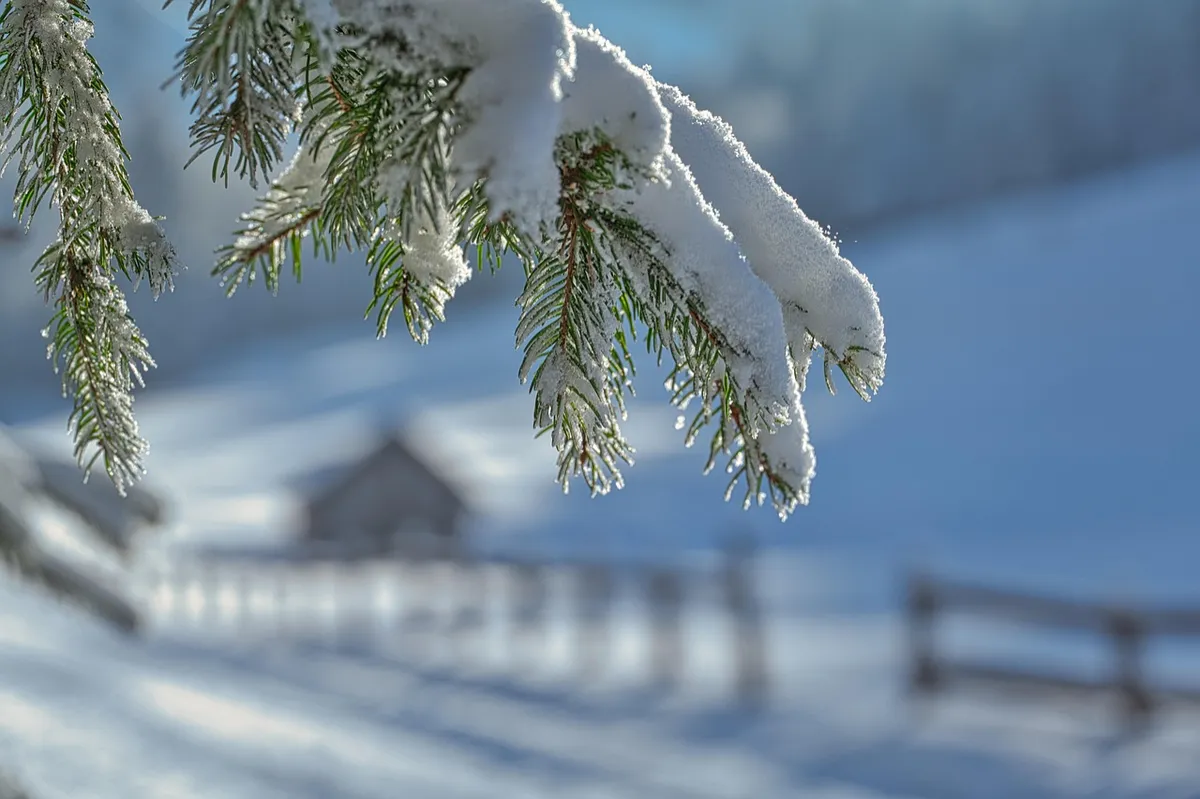
Every fall in Colorado there's a moment I used to dread. The first real snow hits, the arenas freeze up, and access to cattle gets scarce until spring. Meanwhile, my social media feed fills up with ropers hauling south to spend the winter roping in Arizona.
I didn't have that option with my career, so my Arizona experience was limited to one week every winter. That’s why as soon as the snow started to fly, this little voice would show up: "You're falling behind. Everyone else is getting better while you sit here."
For a long time, I believed it.
The Belief That Kept Me Grinding
If you're a competitor, you probably know this belief too. More is better. More practice, more runs, more hours. And rest? Rest is a reward. Something we get to have once we've earned it.
The problem is, for those of us juggling careers, families, horses, and everything else, we never quite feel like we've earned it. There's always one more thing to do. So we skip the rest, push through, and wonder why we show up to the next event tired, short-fused, and fighting our own inner critic.
I've come to see that voice for what it is. It isn't wisdom. It's the ego, and it measures our worth by how much we produce. It shows up automatically, which is exactly why we have to answer it on purpose.
What the Research Says About Rest and Recovery
When I started studying the mental game, I learned something that flipped my thinking upside down. Rest isn't the opposite of training. It's where training actually sticks.
Researchers at the National Institutes of Health found that when people learned a new skill, most of their improvement happened during short rest breaks, not during practice. Their brains were replaying the skill at high speed while they sat still.
And it goes the other way, too. In a 2009 study on mental fatigue, people who did 90 minutes of demanding mental work before a hard bike ride quit about 15 percent sooner than when they'd rested their minds first. Their bodies weren't any more tired. The ride just felt harder.
Think about what that means for us. A full day of work, decisions, and family logistics, and then we head to the barn and wonder why everything feels off. Sometimes it isn't our horse or our skill. It's a drained mind.
Sleep matters just as much. Research on sleep and athletic performance from Stanford found that college basketball players who slept more ran faster sprints and shot about nine percent more accurately. Same athletes, same coaches. More sleep.
How I Use the Off-Season Now
These days, I see winter differently. It isn't lost time. It's root time.
This is when I lean hardest into the parts of my game that don't need cattle or an arena. My morning routine, with affirmations, prayer journaling, dummy roping and my visualization strategies. Mentally rehearsing my runs. Reflecting on the season and writing down what I want to carry forward.
And yes, this is also when I give myself permission to actually rest, without the guilt. Some of my best mental game growth has happened during those breaks when I couldn't rope at all.
The Chinese bamboo tree is a picture I come back to often. For years, it shows almost nothing above ground while its roots grow deep. Then it shoots up seemingly overnight. The off-season, used wisely, can be our root-growing season.
Four Questions to Check Your Tank
One simple practice is a quick energy check. A few times a day, ask yourself:
Physical: Have I had enough sleep, water, food, and movement today?
Emotional: Is frustration, worry, or comparison draining me right now?
Mental: Have I given my mind a real break, or have I been scrolling and multitasking all day?
Spiritual: Am I connected to my why, my purpose, and my faith?
Whichever tank is lowest, that's where to start. You don't have to fix everything. Just fill the emptiest tank first.
Rest Isn't the Opposite of Work
Here's something that helps me make this mindset shift. Even God rested on the seventh day. And I believe that he rested because rest is part of his design, built into creation and into us from the very beginning. If rest was good enough for the Creator, it's good enough for me.
So this off-season, whatever that looks like for you, I hope you'll give yourself permission to recharge. Because when we recharge, we rise.
If you want more on this, the Cowgirl Up podcast is spending all week on rest, recovery, sleep, and energy. Each episode is short enough to listen to on the way to the barn. Listen anywhere you get your podcasts.
And if you're ready to build a mental game that holds up when it counts, I'd love to talk with you. As a mental performance coach, I help competitors like you build the routines and tools to perform with confidence under pressure.
Book a free discovery call here: https://thehub-api.mastermind.com/widget/booking/4lv6jvtWDaKLScRzga20
About the Author
Laurie Blickenstaff is a Certified Mental Performance Coach, competitive team roper, and the founder of Mental Game 101. After years of struggling with confidence and pressure in the arena, she won the #7 Yeti World Series of Team Roping Championship in Las Vegas from high call, and now helps competitors in western sports build the mental skills to perform their best when it matters most. She hosts the daily Cowgirl Up podcast and lives in Colorado's Vail Valley.
Mental performance training is NOT intended as, nor is it a substitute for, mental health care.
